
Profitable business makes your profit
The cost of installing a solar system in Uganda depends on several factors, including the size of the system, the quality of the equipment, your daily electricity consumption, and whether you require battery storage. As more households and businesses seek reliable alternatives to rising electricity costs and frequent power outages, solar energy has become one of the most practical long-term investments. Although the initial installation cost may seem significant, a well-designed solar system can provide decades of dependable electricity while substantially reducing monthly utility bills.
Every property has unique energy requirements, which means there is no single price that fits every installation. A small home that only needs lighting and phone charging will require a much smaller system than a business operating computers, refrigeration units, machinery, or air conditioning. Understanding the factors that influence pricing helps homeowners and business owners make informed decisions and choose a solar solution that meets both their energy needs and their budget.
“The true cost of a solar system is not measured by its purchase price alone but by the value it delivers over its lifetime. A professionally designed solar installation provides years of reliable electricity, protects you from rising energy costs, and transforms sunlight into long-term financial savings. Investing in quality solar equipment today is an investment in energy security, lower operating expenses, and a more sustainable future for your home or business in Uganda.”
Factors That Determine the Cost of a Solar System
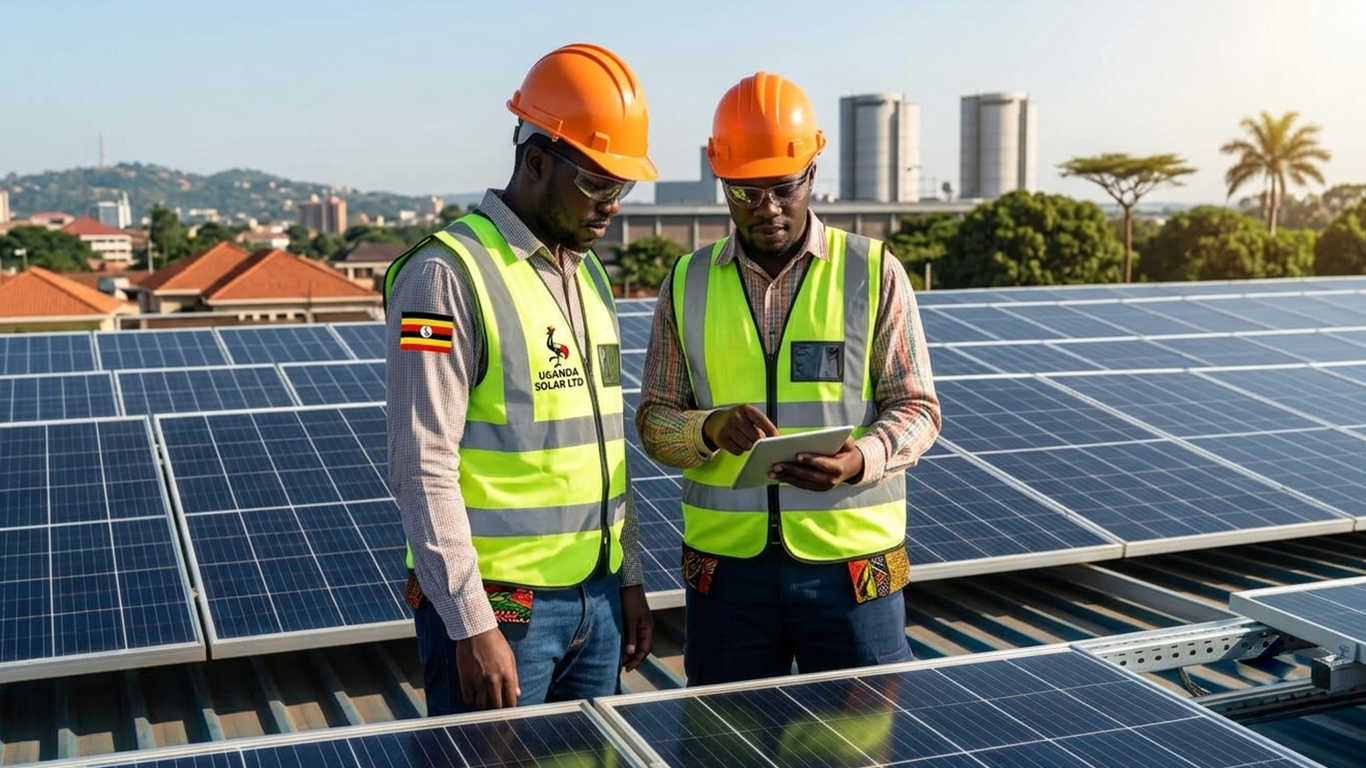
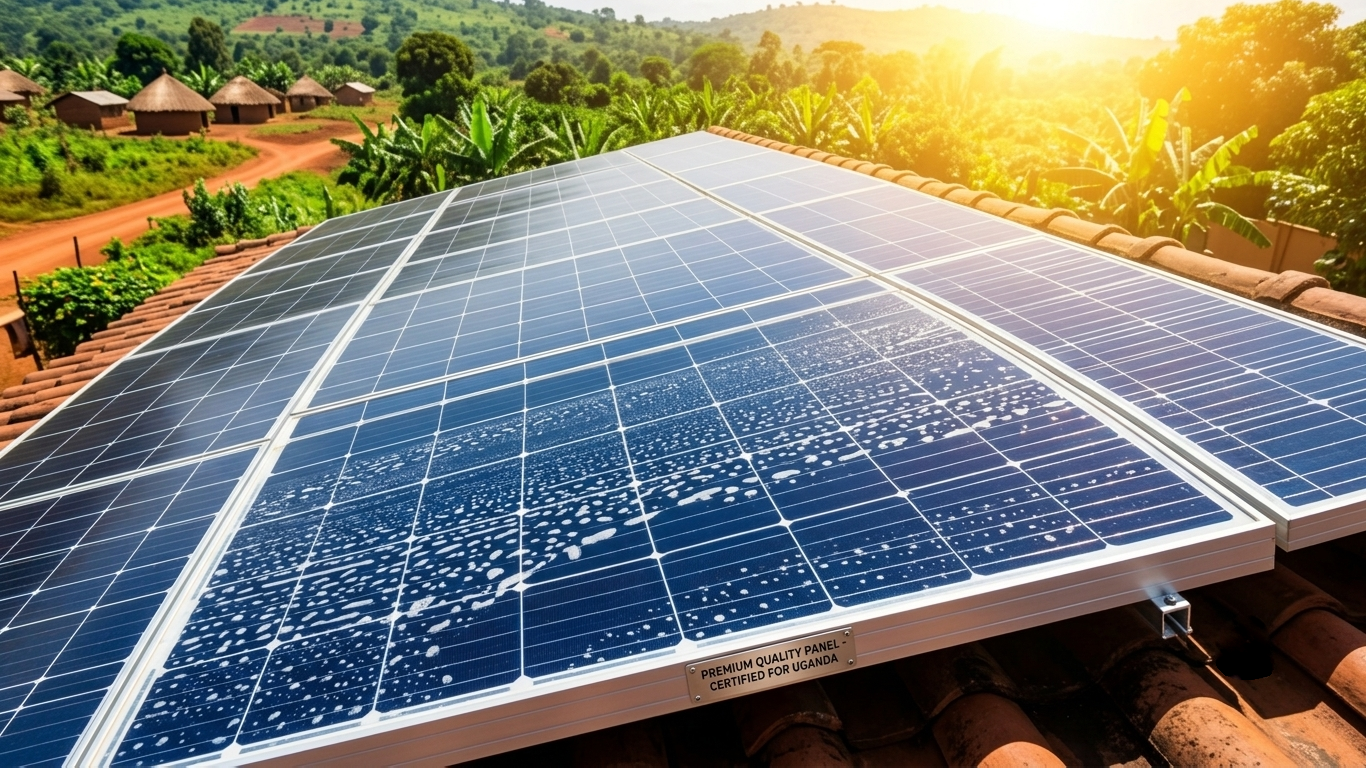
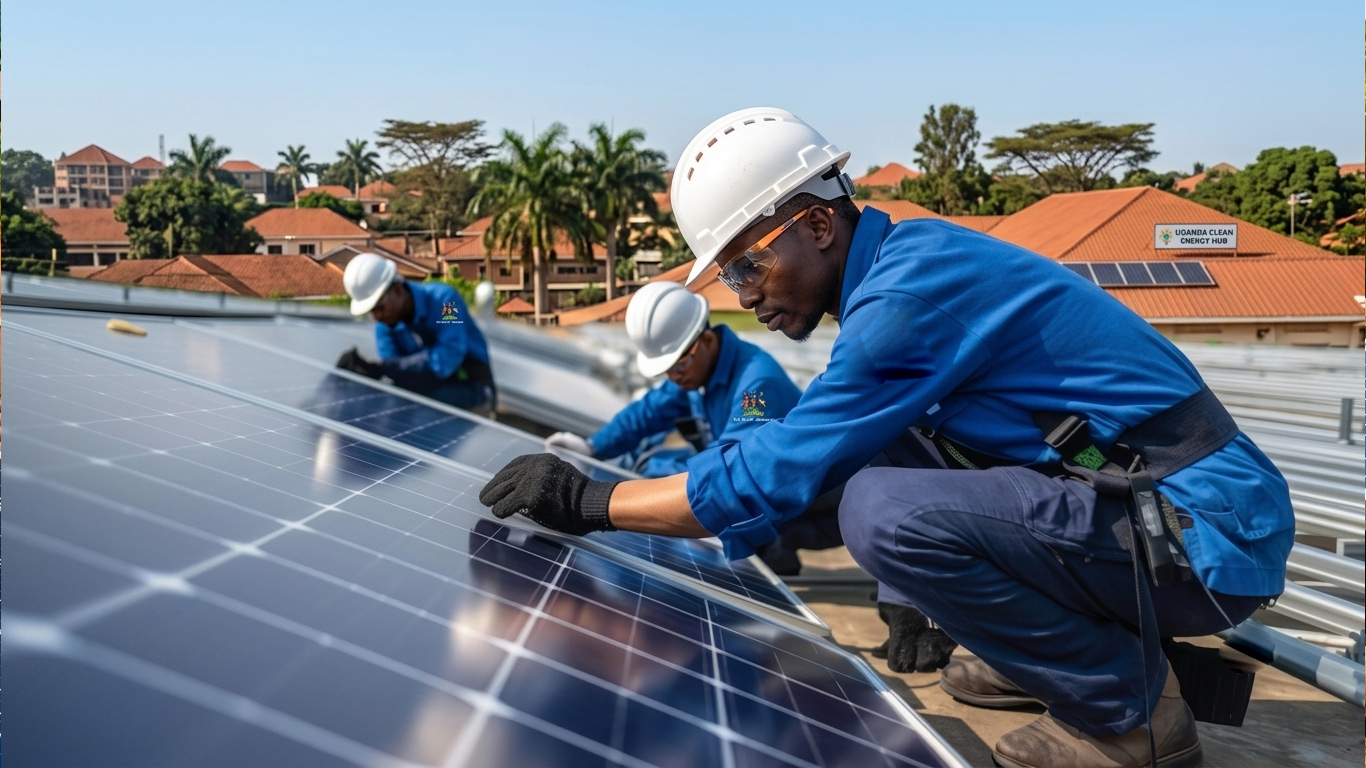
Several components contribute to the overall cost of a solar installation in Uganda. These include the number and efficiency of the solar panels, the type and capacity of the inverter, battery storage requirements, mounting structures, electrical wiring, safety equipment, and professional installation services. Hybrid and off-grid systems that include batteries generally cost more than grid-tied systems because batteries provide electricity during the night and during power outages. The quality of these components also affects the total investment, with premium equipment offering better efficiency, longer warranties, and greater reliability over time.
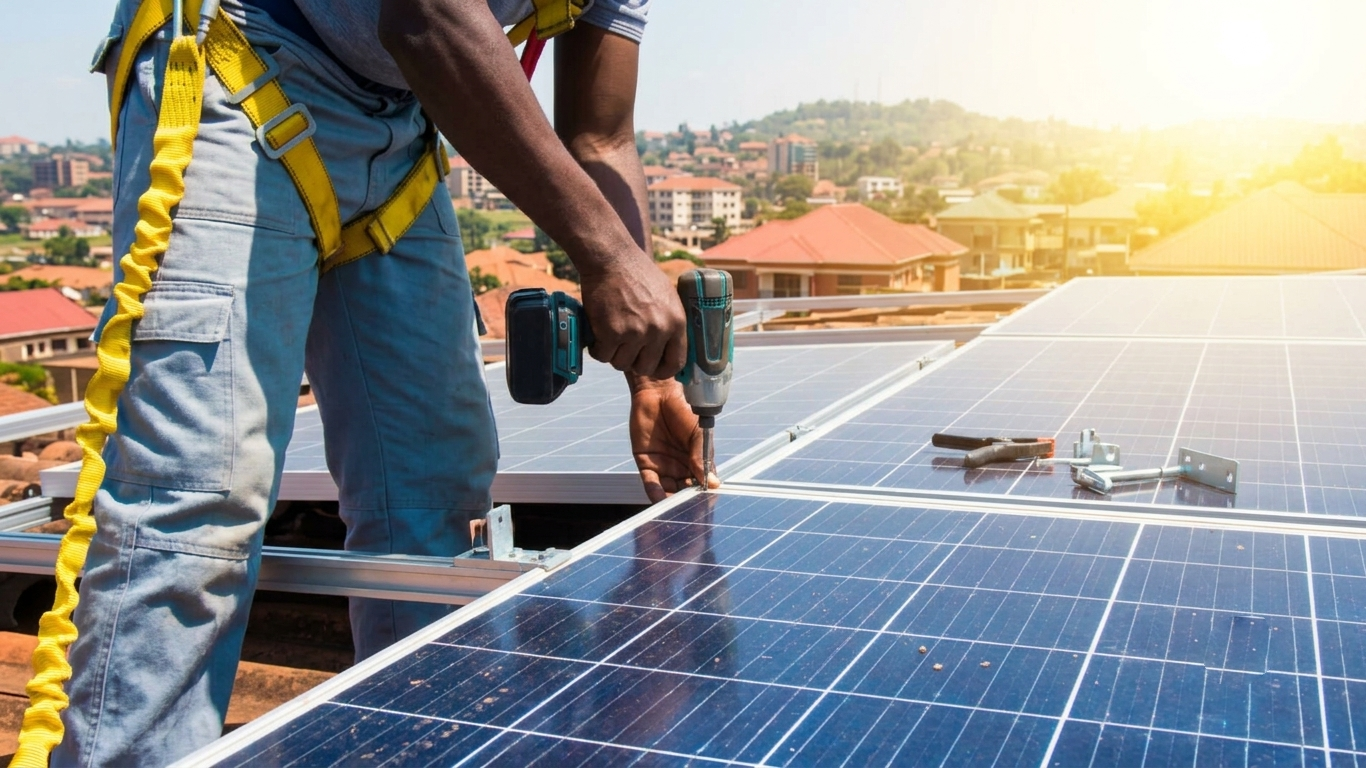
Installation costs are also influenced by the complexity of the project and the property’s location. Roof design, available installation space, accessibility, and existing electrical infrastructure all play a role in determining labor and installation requirements. Choosing experienced and certified solar installers ensures the system is correctly designed, safely installed, and optimized for maximum energy production. While lower-priced systems may appear attractive, investing in quality equipment and professional installation often reduces maintenance costs and delivers better long-term value.
Typical Solar System Costs and Long-Term Value
In Uganda, the price of a residential solar system can range from a few million Ugandan shillings for a basic setup to significantly higher amounts for larger hybrid or off-grid systems designed to power an entire home. Commercial installations for offices, schools, hotels, farms, hospitals, and manufacturing facilities vary even more depending on daily energy consumption and operational requirements. Rather than focusing solely on the initial cost, property owners should consider the long-term financial benefits, including lower electricity bills, reduced generator fuel expenses, and increased energy independence.
A professionally installed solar system is designed to provide reliable performance for more than 25 years with minimal maintenance. Over its lifetime, the savings generated from reduced electricity costs often outweigh the initial investment, making solar one of the most cost-effective energy solutions available. To receive an accurate quotation, homeowners and businesses should request a professional site assessment where installers evaluate energy consumption, roof space, and future electricity needs before recommending the most suitable system. This approach ensures that the investment delivers maximum performance, efficiency, and long-term savings.